How to Create a Minimal and Relaxing Bedroom

For me having a bedroom which is calm and relaxing is so important, especially when I’ve had a particularly hectic or stressful day at work. Its somewhere I can forget about the day and just relax with a book and chill. Having a minimal bedroom has also improved the quality of my sleep. I’ve always been a restless sleeper and it takes me a long time to fall asleep so having a space which is calm and soothing definitely helps me to fall asleep quicker and enjoy a more deeper sleep so I feel refreshed the next day.

I would definitely recommend creating a more minimal bedroom if you can, I know this may be harder for some people but even small changes to create a more relaxing space will be beneficial in the long term.

Here are my key tips to creating a more minimal and relaxing space.

1 – Declutter

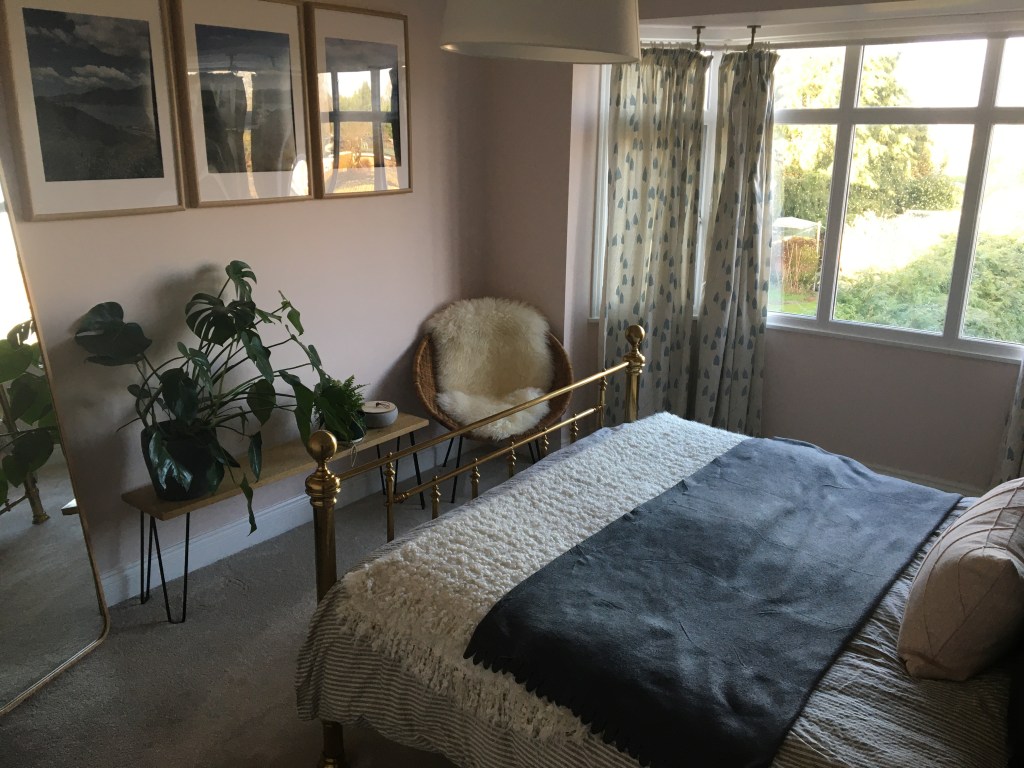
This is a no brainer, if your bedroom is piled high with possessions its going to feel cramped and cluttered and not relaxing. I would suggest starting by thinking about what you actually need to have in your bedroom and what could be stored elsewhere. In my bedroom I only have a bed, bedside tables, a chair, dressing table, mirror and decorative bench, we keep all our clothes in the spare room where we have fitted wardrobes. This may not be an option for everyone but even if you need to keep all your clothes in your bedroom you will still be able to create a more minimal look just by ensuring they are always tidied away neatly and nothing is left strewn about.

Look under the bed and on top of wardrobes – this can be a handy storage space but think about what you are actually keeping there and why. Is this stuff you actually need or could you get rid of some of it? If you have boxes with clothes that don’t fit in your wardrobe or drawers then consider going through your clothes so you have room to keep everything in the correct place without needing extra storage – see my post on creating a minimal wardrobe for tips on how to do this.

Suitcases are an item that are often kept under the bed but think about if you could keep them somewhere else – we keep larger luggage which we only use a couple of times year in the loft and a smaller suitcase in the wardrobe for more frequent trips.

Depending on your living circumstances it may be necessary to keep somethings under the bed or on top of wardrobes but try to ensure you are storing things neatly and attractively – habitat have some really nice under the bed storage options.
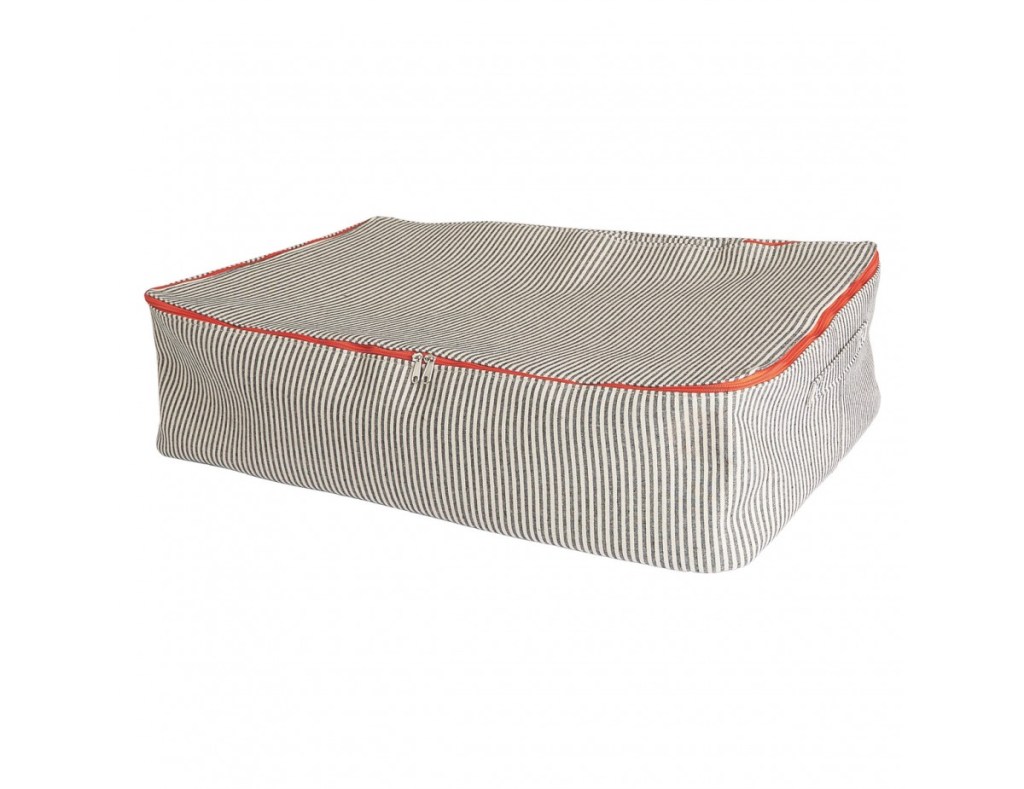
https://www.habitat.co.uk/jolie-grey-underbed-storage-trunk-340124

2 – Colour

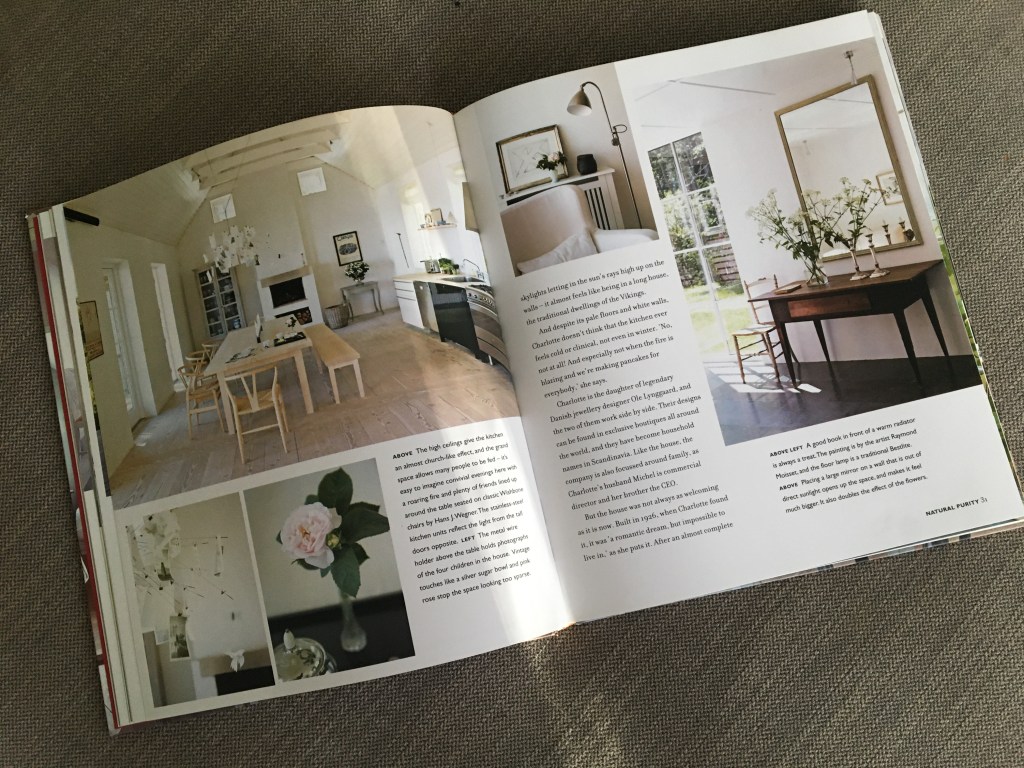
If you want your bedroom to feel calm and relaxing then colour can have a big impact on this. If your room is a bright colour its more likely to feel smaller and busier. If you can try to choose a more subtle shade – we always have a pale pink bedroom as I think this is the most relaxing and calming colour but you can choose whatever feels soothing for you. Darker colours can also be relaxing and can be great if you want to create a room that is solely for sleeping, its worth thinking about the size of your room and how much natural light it gets as painting a small dark room a very dark colour could feel quite oppressive. Its important to find what works for your and what makes you feel most calm – I really love Scandinavian style interiors and I have a really great book called ‘Simply Scandinavian’ which is really great for inspiration.
When it comes to soft furnishings its really up to you but I personally love my bedroom to be cosy so I like large cushions and throws in linens or soft woollen fabrics and sheepskin rugs. For my bedroom textiles I like to keep colours really neutral and stick to natural tones, you can incorporate prints but try to keep them soft and don’t go for anything too brightly coloured – bright or busy prints will always attract your attention whereas more neutral softer tones will sit in the background and let your mind and eyes relax.

3 – Walls, floors and surfaces

Where possible try to keep walls, floors and surfaces clear of excess belongings. Tidy your clothes away and don’t let washing or dirty clothes pile up. Keep make up, jewellery and hair accessories etc stored away and try not to have books or magazines piled up next to your bed. I don’t like to eat in my bedroom but if you do make sure you always take your empty cups and plates to the kitchen after. By keeping surfaces clear and making sure everything has a place it will make cleaning easier and when rooms are clean, neat and tidy they always feel more relaxing.
4 – Lighting

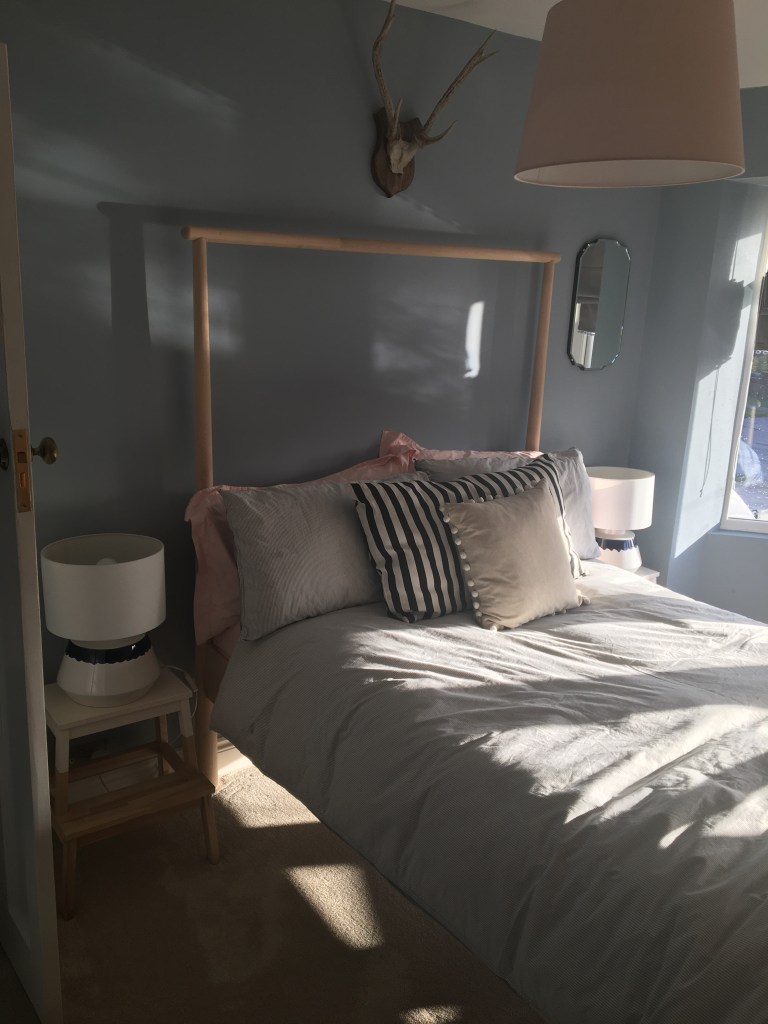
Lighting can be really key when trying to make your bedroom a more relaxing space, most of us will have a standard central ceiling light but think about other lighting options as well. Bedside lamps are really great so you don’t have to have the main light on all the time – choose lamps that will diffuse the light and give a softer illumination rather than a very bright or stark light. If you have room a free standing lamp can give a really great atmosphere and can be a nice way to create a reading area in your bedroom. If you don’t have the room for extra lighting or you want to keep your room truly minimal think about going for a dimmer switch on your ceiling light – these are inexpensive and can be fitted easily by an experienced electrician. You can also choose different light bulbs for your room, go for lower wattage, more yellow tones rather than white light or you could get a bulb that mimics daylight and comes on gradually in the morning to wake you up naturally rather than the sudden shock of your alarm.

So these are my top tips for creating a more minimal bedroom, I hope you have found this post helpful and please feel free to leave me any comments or questions below.
Creating a Minimal Wardrobe

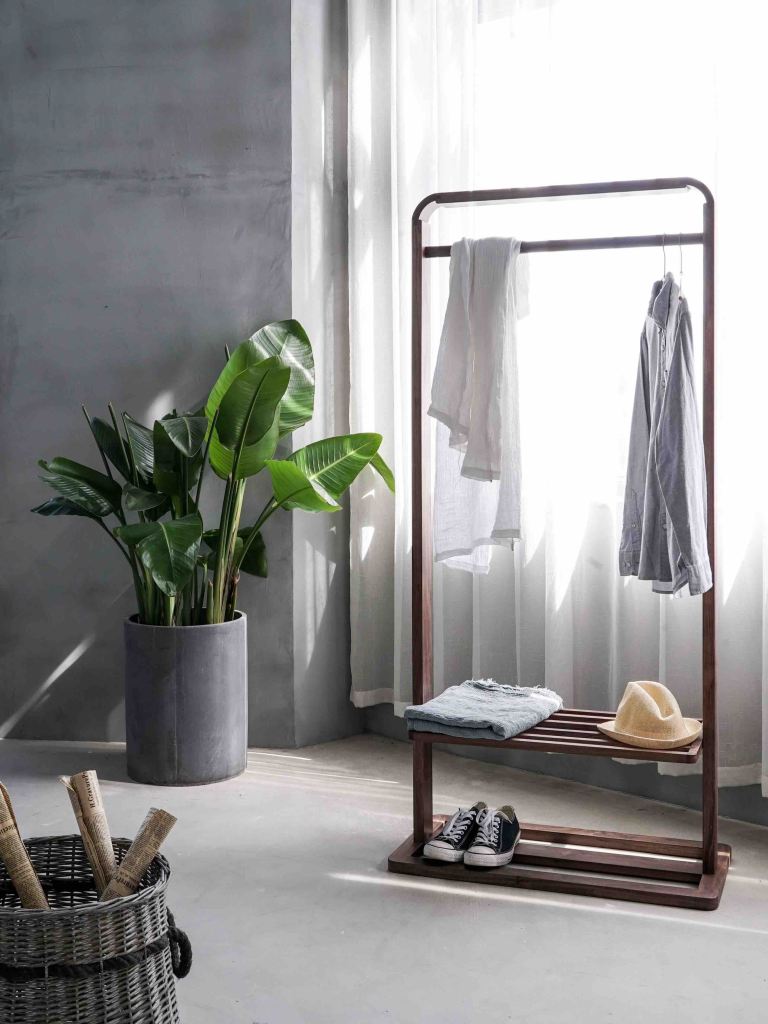
Photo by tu tu on Unsplash

You may think that having a minimal wardrobe is just an instagram myth – surely all those pics you see from influencers is just for show and really they have draws overflowing with old socks and bad purchases they just can’t seem to part with? This may be true in some cases but it is possible and easy to create a beautiful minimal wardrobe if you are just willing to be brave and get rid.

Getting Started

It can be daunting to think about getting rid of your clothes, I know when I minimised my own wardrobe I took a long time to build up to actually getting started and the thought of doing it made me quite anxious! Once I got started though it was so great and I was amazed by how many things I was able to let go of. Now getting dressed each day is a dream and I can say with complete honesty I love every item I have.

I like to ease myself in to a clear out, so my advice would be to firstly go through and get rid of the items you know you don’t want anymore, things that you are no longer in love with – this will get you in the correct mindset to tackle the harder items.

Next go back through and pull out anything that is old, tired, stained, broken etc – it can be hard to get rid of items even when they are past their best but think about when you last wore them, if they are broken chances are its been a while and you haven’t had them fixed so you can’t really love them that much right? If you really love something but its old/discoloured or stained make a note to replace it when you have some spare cash.

The next step would be anything that doesn’t fit properly – this doesn’t necessarily have to just be items that are too big/small it can also mean anything that doesn’t suit your figure or is uncomfortable to wear. These items tend to be the ones we pull out, try on and then put back in the wardrobe a lot so why are you hanging on to them? If you are saving items because you are sure you are going to fit back into them when you reach your goal weight then think about if you will definitely want to wear them when you hit your goal. Do they suit your style still? Do you have any occasions to wear them? Also think about when you get to your goal weight wouldn’t you prefer to treat yourself to something new that fits in with rest of your wardrobe? Its okay to hang onto things if you really do love them and you know you will wear them again – for example if you have maternity clothes but are no longer pregnant but are planning to have another baby in the future.

The final stage is to go back through every item thats left and ask yourself the below questions:

1 – When did I last wear this?

If you haven’t worn something in a year then chances are your not going to wear it again and you should get rid. Try not to let sentimental or financial attachment sway you – bridesmaids dresses are a hard one but its unlikely you will ever wear these dresses again so you should let them go – you could sell these or donate them so someone else can get pleasure out of them. There are always exceptions and you have to make sure the decision is right for you – personally I could never get rid of my wedding dress so for me thats my exception.

2 – How does this make me feel when I wear it?

There may be items in your wardrobe that you wear a lot but actually they don’t make you feel great, maybe the fit isn’t quite right or the colour doesn’t quite suit you. I had some jeans that I wore a lot but they would stretch out so much that by the end of the day the fit was terrible, I was just wearing them out of convenience. Getting rid of these items means you will only wear the things that make you feel amazing every day.

3 – Is this me?

This is a really tough but essential question when creating your minimal wardrobe and for me its the key to being able to really embrace a more minimal lifestyle. Being able to define what you do and don’t like is so important because its what will stop you impulse buying items and be able to enjoy what you already have. In terms of your wardrobe you have to know what your personal style is regardless of trends and changing fashion, what are you comfortable in and what do you need to go about your day to day life. We all have style goals of how we want to dress but its also important to be realistic. I’m a lazy dresser, I also cycle to and from work everyday so for me dresses and skirts are not an item I am likely to wear very much, so my uniform for daily life is T-shirt, jeans and trainers. This is what I feel comfortable in, I can cycle to and from work and its easy to pick out in the morning. I have skirts and dresses as well, but only a select few for wearing on the weekends and on special occasions.

If you are unsure about what your own personal style is then a great tip is to make a photo diary of your outfits, you can do this for as long as you want but anything from 2 weeks to a month should be enough time to see what your daily uniform is and what you only wear occasionally. This is also a great tool for seeing which items don’t look so great on and which don’t portray the image you want.

My final tip is to get rid of the items you no longer want straight away – don’t leave them hanging around as you may be tempted to go back in and retrieve items. By getting rid of them as quickly as possible you will make a clean break and I guarantee you will not miss a single thing.

Out of sight really is out of mind, so happy minimising!!

Remember to donate your used items to charity or take them to textile recycling centres, all textile items can be reused or recycled. Your used items will either be sold directly by the charity, given to people in need or repurposed into things like kitchen cloths and insulation so nothing is wasted.

A lot of stores now have recycling points where you can drop of your old clothes in return for vouchers or discounts – this is a great incentive but don’t be tempted to then buy more just because you can, make sure every purchase is thought out and that you actually have a genuine need for the item you are buying. Shop responsibly.

Check back soon for more ways to live with less.

Can Less Really Be More?

What is Less?

Less is a space where I want to share with you the rewards that living a more minimal life can bring you. Its not about whittling your stuff down to a tiny amount of possessions or about being able to move house without a single cardboard box, unless of course thats what makes you happy. Its about being more conscious of what you have and what you bring into your home, making more informed choices and really enjoying what you already have without the constant need for something new.

So why choose to live with less? There are many benefits to reducing what you have and clearing out unnecessary items from your home. Probably the one that people will notice first is cash, by living with less you will instinctively stop buying things you don’t need and have a lot more money left over at the end of each month. You will also spend less time looking after all your possessions – washing, ironing, organising etc and cleaning your house will be easier as you will have less items to move around.

Other less obvious benefits might be having the freedom to move around more – with less items moving is easy and you can go wherever you want, whenever you want. By spending less time on house jobs you will have more free time to spend with family and friends or to explore a new career or study path. By getting rid of things you don’t need you are actually removing boundaries from your life and giving yourself more space and freedom to do the things you have always wanted.

This may all sound too good to be true – surely getting rid of your stuff isn’t going to transform your life? The answer is no – it won’t change your life overnight, but by embracing a more minimal lifestyle you will be able to take more joy in the things you do own and free up space and time to really focus on what you want and where you want to go.

So how do you start?

It may sound daunting to suddenly start throwing all you things away, so start small. Pick a room or area of your home that you know needs decluttering and start there. Maybe you have cabinet where you keep everything that doesn’t have a proper home – this is a great place to start as you already know a lot of these items aren’t useful and don’t add value to your life.

My preferred method of sorting though things is to get everything out of the space and then sort each item into one of five categories:

  1. Throw out – this is for anything that is true rubbish, items that cannot be given away, recycled or sold
  2. Recycle – this is anything that can be recycled by your local council or given away to a new home
  3. Donate – items that can go to charity
  4. Sell – items you wish to sell on
  5. Keep/Replace – You may have items that you need to keep but are old and tired so put them back but make a list of these items so you can remember to replace them when you have the money. Remember once you have replaced an item to get rid of the old one

Once I have sorted items into the above categories I like to get rid of rubbish, recycling and donations as quickly as possible. By getting rid of these items straight away you will not be tempted to go back in and retrieve things, it is also really satisfying to see the space you have made after a clear out.

For items that you wish to sell make sure you get them listed within a few days of your clear out and if they don’t sell in a week be prepared to lower your price or donate them, a good tip is to keep these items out on display as a reminder this way they won’t just end up back where they started. It can be hard to part with items that you have spent a lot of money on but if you are not using them then they are actually costing you money in the long run to store and maintain and costing you mentally as a reminder of a bad purchase or choice that you just need to move on from.

If you have some items that you are not sure you want to part with then, rather than putting them back in with your keep items, put them in a box or bag out the way for a week or two, if after this time you haven’t needed them then get rid of them. Chances are that if you are unsure about an item you don’t really need it, but it is worth remember that worst case scenario you can always replace it if you do suddenly realise you needed it.

Decluttering can be addictive and once you start you will want to carry on and do your whole house but remember to take your time and keep only the things that truly add value to your life – this is not only items that you use daily but, for me, its about items that give me enjoy and pleasure, for example I love having photos in my home so I would never get rid of my family pictures and albums just because they aren’t a necessity to living.

There is no rule to what a minimal life has to look like, you could have a hundred dog ornaments and still be a minimalist as long as having those items gave you great pleasure and you enjoyed looking at each and everyone of them and looking after them. The key is to be conscious of what you own and how these items contribute to your life, if they do not add value or bring happiness then you probably could live without them.

Design a site like this with WordPress.com
Get started